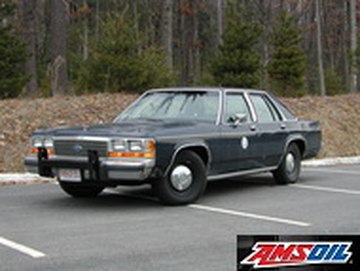
Lubrication Maintenance for the 1981 Mercury MARQUIS 5.0L
Maintaining a vehicle from the early 1980s requires a shift in perspective toward consistent monitoring and proactive inspection. For the 1981 Mercury MARQUIS equipped with the 5.0L engine, routine lubrication service is a cornerstone of long-term mechanical health. Because older engines often operate under different thermal and mechanical stresses than modern counterparts, understanding how to monitor fluid condition and component integrity is essential for any owner.
Monitoring Fluid Integrity and Consumption
One of the most effective ways to gauge the health of an engine is through regular observation of its lubricant. Rather than relying solely on scheduled intervals, owners should become familiar with the baseline behavior of their specific vehicle. This involves checking the level and appearance of the oil during routine inspections.
If you notice a change in how much oil the engine seems to use between service intervals, it warrants closer investigation. While some degree of consumption can occur as engines age, significant changes may indicate that seals or gaskets are no longer providing an effective barrier. Similarly, the color and texture of the lubricant can provide clues; extremely dark or gritty oil might suggest that the filtration process is struggling or that the oil is being subjected to excessive heat. If you observe any unusual odors or notice a change in the way the engine sounds during operation, these symptoms should be investigated promptly, as they can be associated with various underlying mechanical conditions.
Practical Inspection of Engine Compartment Components
A thorough maintenance routine for this Mercury MARQUIS includes more than just changing the oil. A visual survey of the engine compartment can help identify issues before they escalate into more significant repairs. When performing these checks, focus on the following areas:
- Gaskets and Seals: Inspect various sealing surfaces for any signs of seepage or active leakage. Even small amounts of moisture around a seal can eventually lead to larger issues if left unaddressed.
- Hoses and Connections: If present, examine hoses for signs of cracking, softening, or bulging. Ensure that connections remain tight and that there is no evidence of fluid weeping from junction points.
- Drive Belts: If the engine is equipped with accessible drive belts, inspect them for signs of wear such as glazing, fraying, or surface cracking. A belt that shows significant deterioration may eventually fail, affecting various engine accessories.
- Electrical Integrity: Check that wiring and electrical connectors appear secure and free from excessive corrosion or heat damage, which can impact the overall reliability of engine sensors and components.
By performing these checks regularly, you move from a reactive maintenance style to a preventive one, allowing you to address minor concerns while they are still manageable.
Prioritizing Maintenance as the Vehicle Ages
As a vehicle like the 1981 Mercury MARQUIS moves through its lifespan, the strategy for upkeep should evolve. Rather than following a generic checklist, effective ownership involves prioritizing tasks based on the actual condition of the machine. This is particularly important if you have recently acquired the vehicle and do not have a complete service history.
If maintenance records are unavailable, your first priority should be establishing a baseline. This means performing a comprehensive inspection of all fluids and major mechanical components to understand the current state of the vehicle. Once this baseline is set, you can begin to track changes over time. For example, if you notice that a specific area is starting to show slight seepage, you can monitor it closely rather than immediately replacing parts that are still functioning adequately.
Distinguishing between necessary repairs and unnecessary part replacement is key to efficient ownership. Focus on addressing active leaks, unusual noises, or any signs of overheating first. By concentrating on the most immediate needs and keeping detailed records of what has been serviced, you can make informed decisions about the vehicle's future care.
The Role of High-Mileage Formulations
For engines that have accumulated significant distance, certain lubricant technologies may be worth considering. Some high-mileage oil formulations contain additives intended for use in aging engines. These products often include seal-conditioning additives designed to help maintain the flexibility of various gaskets and seals. While these formulations are not a substitute for repairing major leaks, they can be a useful component of a maintenance strategy for an older engine that is otherwise performing well.
When deciding whether to use a conventional, synthetic blend, or full synthetic oil, consider the overall service history of the vehicle. If the engine has always used a specific type of lubricant, transitioning to a significantly different chemistry should be done with an understanding of how the engine might respond. The goal is to provide a stable environment that manages heat and resists the buildup of deposits.
Establishing a Reliable Service History
One of the most valuable tools for any owner of a classic or older vehicle is a well-maintained service log. Documenting every oil change, filter replacement, and mechanical repair provides a clear picture of the vehicle's life. This history is invaluable when:
- Identifying Trends: You can see if oil consumption is increasing over several years, which helps in diagnosing long-term wear.
- Verifying Maintenance: It ensures that critical service intervals are not missed and provides proof of care for future resale or inspection.
- Informing Repairs: When a new issue arises, having a record of previous repairs can help a technician narrow down the potential causes more quickly.
A simple notebook or digital spreadsheet is sufficient to track dates, mileage, and the specific products used during each service event.
Buying Engine Oil for your 1981 Mercury MARQUIS 5.0L
When it is time to replenish your engine's lubrication, accuracy in selection is paramount. To ensure you are providing the correct protection for your 5.0L engine, match the engine oil to the application-specific viscosity information shown above on this page.
Before completing your purchase, always check the product labeling to confirm that the oil meets the appropriate API certification standards for your needs. While modern synthetic oils offer excellent thermal stability and deposit control, you should select a formulation—whether conventional, synthetic blend, or full synthetic—that aligns with the specific requirements listed in your vehicle's application data. Avoid making assumptions based solely on the age of the vehicle; instead, rely on the technical specifications provided in the application information to ensure a proper match for your 1981 Mercury MARQUIS.